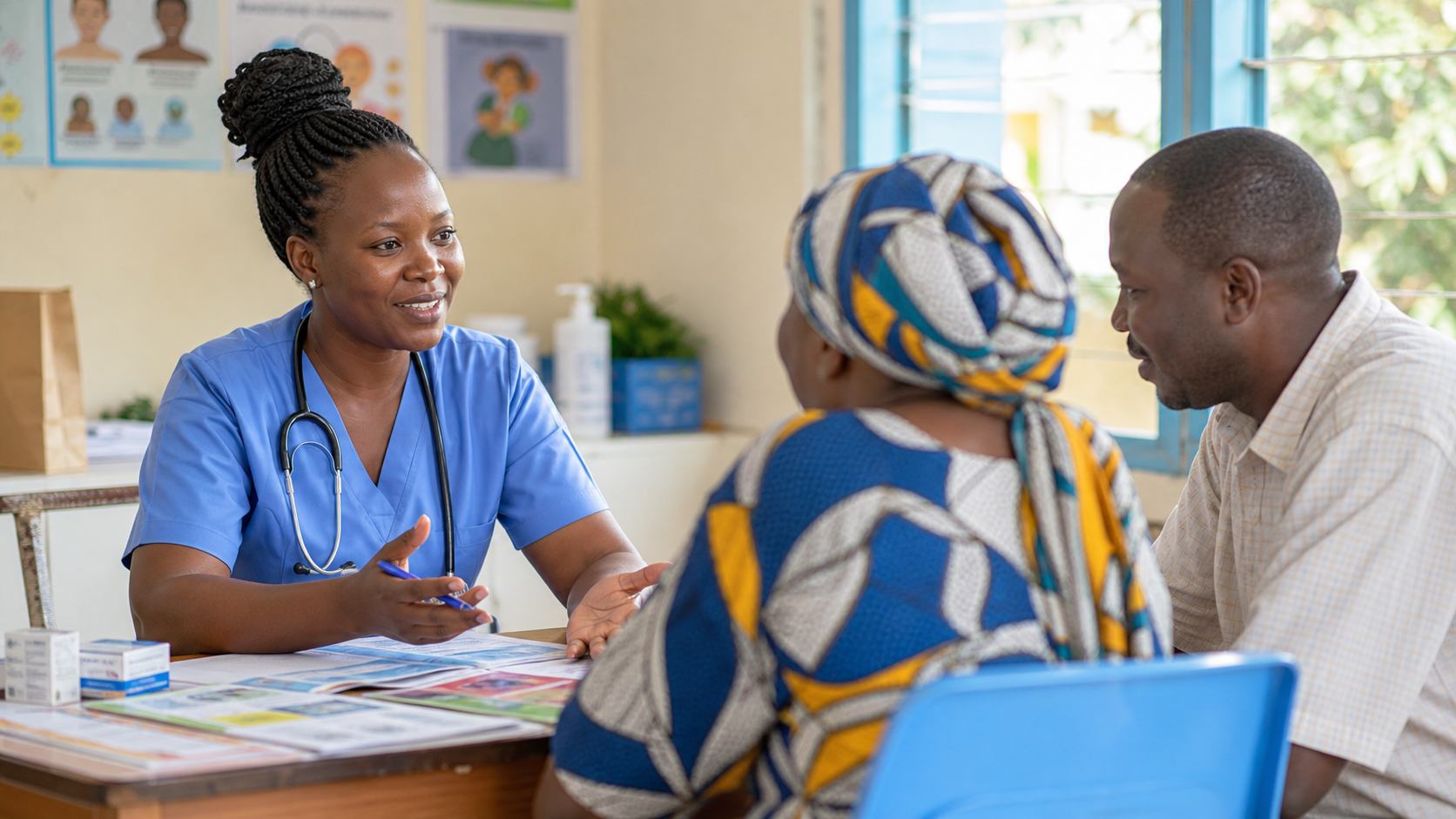
Why harm reduction belongs in routine primary healthcare in Kenya.
Primary healthcare is where many people first disclose concerns about alcohol use, tobacco dependence, pesticide exposure, stress, pain, unsafe medication use, or drug-related risk. It is also where a short, respectful conversation can prevent serious harm before it becomes an emergency.
Harm reduction does not ask health workers to ignore risk. It gives them practical tools to respond to risk in the real world, where patients may not be ready or able to stop a behaviour immediately, but may be ready to take a safer step today.
Primary Care Sees Risk Before Hospitals Do
Emergency departments often see the final stage of preventable harm: poisoning, road crashes, withdrawal, liver disease, pesticide exposure, respiratory illness, or family crisis. Primary healthcare sees the earlier signs: repeated cough, hazardous drinking, frequent headaches after farm work, missed medication, anxiety, poor sleep, or a family member quietly asking for help.
When frontline providers are trained to identify those signals, primary care becomes a prevention platform. The goal is not to wait until the patient is ready for a perfect solution. The goal is to reduce the next avoidable harm.
What Harm Reduction Looks Like in a Routine Visit
A harm reduction approach can be woven into normal care without turning every visit into a long counselling session. Useful steps include:
- Ask without judgement: Use neutral questions about alcohol, tobacco, pesticide handling, and drug use.
- Identify the highest-risk moment: Focus on driving after drinking, smoking indoors, spraying without gloves, mixing substances, or stopping medication suddenly.
- Offer one practical change: A safer storage plan, a referral, nicotine replacement therapy, a brief alcohol plan, or protective equipment guidance.
- Document and follow up: Harm reduction improves when progress is checked at the next visit.
Why This Matters for Kenya
Kenya's health system is already working hard to strengthen universal health coverage and community-based services. Harm reduction fits naturally into that direction because it is practical, preventive, and community-facing. It helps health workers address risks that sit between clinical care and everyday life.
For example, a patient with hypertension who smokes needs more than a prescription. A farmer with recurrent dizziness after spraying needs more than painkillers. A young adult drinking heavily on weekends needs a conversation before dependence or injury develops.
Five Primary Healthcare Opportunities
- Tobacco: Brief advice, nicotine replacement therapy, smoke-free home planning, and referral for cessation support.
- Alcohol: Screening for hazardous use, safer drinking plans, family support, and referral when dependence is suspected.
- Pesticides: Safer handling education, first aid advice, storage guidance, and reporting of poisoning incidents.
- Drugs: Non-stigmatising assessment, overdose prevention education, mental health screening, and linkage to care.
- Community prevention: Health talks, school outreach, workplace education, and county-level collaboration.
Training Health Workers for Real Conversations
Many providers support harm reduction in principle but feel underprepared to discuss sensitive behaviours. Training should therefore focus on short scripts, risk triage, referral options, local resources, and culturally respectful communication.
"A good harm reduction conversation does not begin with blame. It begins with the question: what can we do today to make tomorrow safer?"
HRSK's Position
HRSK believes harm reduction should be part of routine primary healthcare, not a separate or specialist-only service. Every clinic, pharmacy, community health unit, and county programme can play a role in reducing preventable harm from alcohol, tobacco, pesticides, and other substances.
The opportunity is immediate. By equipping health workers with evidence-based, compassionate tools, Kenya can make every health contact count.
